Sizing and Fit Guide: How an Arctic Bay Parka Should Fit
Posted by WEB MEDIA

Choosing the right winter parka is not only about picking the letter size you normally wear. A serious insulated parka has to leave enough room for insulation and winter layers, allow comfortable movement, and still fit closely enough to avoid unnecessary bulk and drafts.
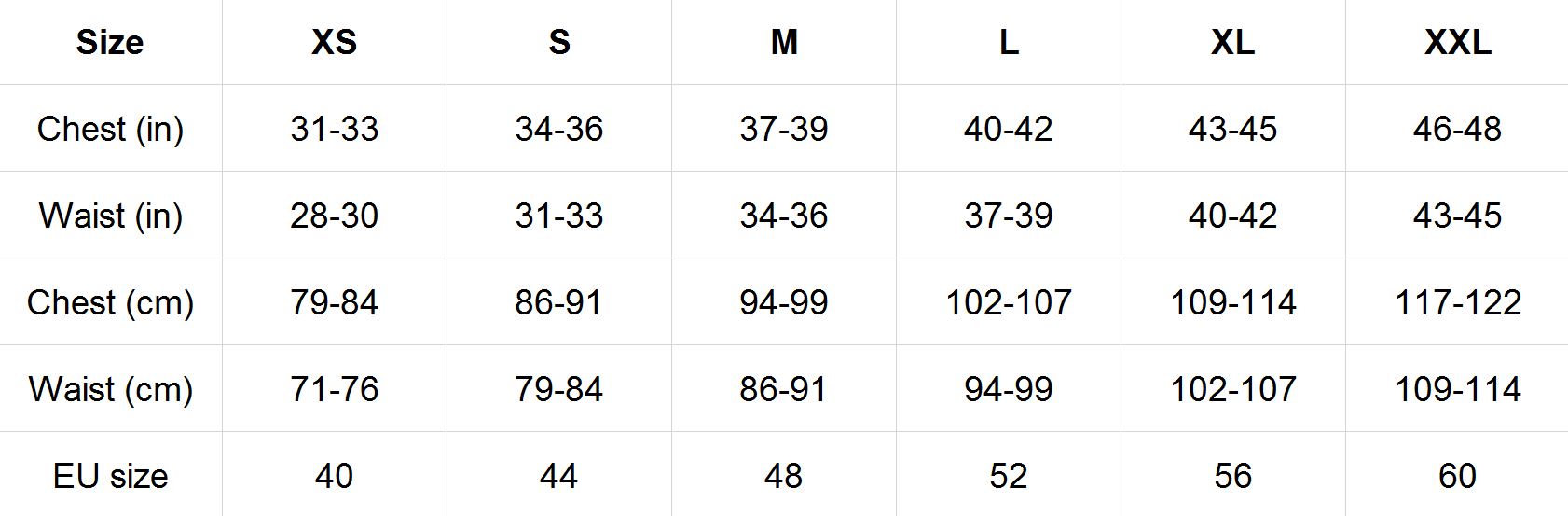
This Arctic Bay parka sizing guide explains how to compare garment measurements, account for winter layering, and choose the right fit for a specific model.
The best starting point is simple: use the model-specific True Fit measurements on the product page and compare them with a winter coat you already own that fits you well.
Explore the Arctic Bay Size Chart:
https://arctic-bay.ca/pages/size-chart
Start With the Parka, Not Your Usual Size
A Medium in one brand is not automatically a Medium in another. Even within the same brand, different parka models can have different silhouettes, lengths, shoulder widths, and chest measurements.
That matters because a shorter urban parka should not necessarily fit the same way as a longer severe-cold model.
Instead of asking, “What size do I normally wear?” ask:
“Which size in this specific parka is closest to a coat that already fits me properly?”
Arctic Bay provides model-specific True Fit measurements on many product pages. Use those measurements first, then consider how much room you prefer for layering and movement.
The Best Starting Point: A Coat You Already Own
Find a winter jacket or down-filled coat that already fits you well.
Lay it flat and measure the garment itself rather than relying only on body measurements. This gives you a practical finished-garment reference that can be compared directly with the Arctic Bay product page.
The most useful measurements are typically:
Shoulders — across the back between the shoulder seams.
Chest — across the body below the armpits.
Waist — across the narrowest part of the jacket body.
Sleeve — according to the measuring method shown for that specific model.
Length — from the neck or shoulder reference point to the bottom hem, depending on the product instructions.
Always follow the exact measuring method shown on the relevant product page. Sleeve measurement conventions can vary between models, so one universal method should not be assumed.
Why Chest and Shoulder Fit Matter Most
Chest and shoulder fit are two of the clearest indicators of whether a parka is the right size.
The coat should close comfortably over the winter clothing you normally wear. You should be able to breathe naturally, move your arms, and sit without the front of the coat pulling across the chest.
If the chest is too tight, movement becomes uncomfortable and insulation can be compressed. If the coat is excessively loose, the intended silhouette may disappear and unnecessary air can circulate inside the garment.
The shoulders matter just as much.
If they are too narrow, lifting or reaching forward can pull the coat upward and create tension across the upper back. If they are too wide, the parka may look oversized and the sleeves may sit lower than intended.
The goal is functional room, not unnecessary volume.
Leave Room for Realistic Winter Layering
Do not automatically size up just because you plan to wear a sweater.
Winter parkas are already designed as outer garments. Buying an entire extra size for ordinary winter layering can leave the coat unnecessarily large.
Instead, think about what you actually wear.
If your usual winter combination is a shirt and medium-weight sweater, test fit with similar layers. If you regularly wear heavier mid-layers, include that extra volume in your decision.
If your measurements fall between two sizes, the larger option may make sense if you prefer a looser fit or heavier layering. The smaller option may be better if its garment measurements are closer to a coat that already fits you and you prefer a cleaner silhouette.
Check Sleeve Length While Moving
Do not judge sleeves only while standing still.
Reach forward as if holding a steering wheel. Bend your elbows. Raise your arms.
The sleeve should continue to provide useful wrist coverage without pulling the entire body of the parka out of position.
Many Arctic Bay designs also use internal or rib-knit cuffs, so remember that the published sleeve measurement may exclude the cuff. Follow the definition shown on the product page you are considering.
Length Changes the Fit Experience
Parka length affects both comfort and function.
A hip-length style usually feels more compact and can be easier for driving, commuting, and frequent indoor-outdoor transitions.
A longer parka extends coverage farther down the body and may feel more protective during long walks, exposed commuting, or extended time outdoors.
For example, the Richmond Parka uses a shorter, more urban silhouette. If you are comparing a model like Richmond with a longer parka, do not focus only on chest and shoulders — compare overall length as well.
View the Richmond Parka:
https://arctic-bay.ca/products/richmond-parka
The right length depends on how you plan to use the coat. Neither shorter nor longer is automatically better.
A Properly Fitted Parka Should Let You Move
Once the parka is on, test it in motion.
Zip it completely. Sit down. Reach forward. Raise both arms. Turn your upper body. Put your hands in the pockets.
A properly fitted parka should allow normal movement without strong pulling through the shoulders, chest, or upper back.
The collar and hood area should feel protective without forcing your head forward. The hem should move naturally when you sit and walk. The coat should also retain the silhouette intended for that model.
Too Tight or Too Loose?
A parka may be too tight if:
• the zipper area pulls when closed
• the shoulders feel restricted
• the coat rises significantly when you lift your arms
• your normal winter layers feel compressed
A parka may be too loose if:
• the shoulders extend well beyond where they should sit
• there is excessive empty volume around the torso
• the sleeves overwhelm your hands
• the intended shape of the parka disappears
Some additional room is normal in winter outerwear. Excessive room is not automatically warmer.
The objective is enough space for movement, insulation, and realistic layering while preserving the intended fit.
Men’s and Women’s Sizing Should Be Checked Separately
Arctic Bay maintains separate sizing information for men, women, and kids, and model-specific product pages may use different measurement conventions.
That matters particularly for sleeve length and garment proportions.
Do not assume that a familiar US, Canadian, or European size converts perfectly. Size labels are useful references, but actual measurements are more reliable.
When shopping online, compare the product-specific garment dimensions with a coat you already know fits.
What If You Are Between Two Sizes?
If you fall between two sizes, start with chest and shoulders, then consider layering and fit preference.
Choose the roomier option if you regularly wear heavier layers or prefer a relaxed fit.
Choose the closer-fitting option if its dimensions are nearer to your reference coat and you prefer a more tailored silhouette.
Do not size up automatically “just in case.” The better choice is the size that matches how you will actually wear the parka.
The Five-Minute Arctic Bay Fit Check
Before ordering:
- Choose the exact Arctic Bay parka you want.
- Open the True Fit or sizing information on that product page.
- Find a winter coat you already own that fits well.
- Lay it flat and measure it using the same measurement method.
- Compare shoulders, chest, waist, sleeve, and length.
- Consider the layers you realistically wear.
- If you are between sizes, decide whether you prefer a closer or roomier fit.
This simple process is more useful than relying on a letter size alone and can help reduce avoidable sizing mistakes and returns.
Fit Is Part of Winter Performance
The right parka size is not simply a fashion decision.
Fit affects movement, layering, coverage, comfort, and the way the garment performs in real winter use.
That is why Arctic Bay sizing is best approached model by model.
Start with the specific parka. Use the True Fit measurements. Compare them with a coat that already works for you. Then choose the size that gives you the right balance of room, mobility, coverage, and silhouette.
When a winter parka fits properly, you should notice the warmth and protection — not spend the day adjusting the coat.
Explore Arctic Bay parkas:
https://arctic-bay.ca/
View the Arctic Bay Size Chart:
https://arctic-bay.ca/pages/size-chart