What Winter Parka Temperature Ratings Actually Mean
Сообщение от WEB MEDIA

A winter parka temperature rating can be useful when comparing cold-weather outerwear, but it should never be treated as a personal guarantee of comfort. A rating is one piece of information about a garment system, while real-world warmth depends on weather, activity, layering and the individual wearing it.
Temperature Ratings Are Guidelines
ASTM F2732 is a standard practice for determining temperature ratings for cold-weather protective clothing. It uses measured garment insulation and a heat-loss model to estimate thermal comfort. Importantly, ASTM describes temperature ratings as guidelines for comfort, not absolute safety limits.
The standard also notes that comfort can change with activity level, base garments and individual physiological differences. See the current ASTM F2732 standard overview.
Why Two People Can Feel Different in the Same Parka
Cold tolerance varies. Body size, circulation, age, activity, acclimatization and the clothing worn underneath a parka can all influence comfort. One person walking briskly may feel warm at a temperature where another person standing still feels cold.
Wind, Moisture and Exposure Matter
Air temperature is not the only factor. Strong wind can increase convective heat loss. Wet snow or moisture can affect shell performance and insulation. Long periods outdoors generally demand more protection than short trips between heated spaces.
This is why a parka’s shell, hood, collar, cuffs, closures and length matter alongside insulation.
What Does a -45°C / -49°F Rating Mean?
Several Arctic Bay parkas have verified product ratings at, up to or down to -45°C / -49°F. These ratings are useful for comparing Arctic Bay models designed for severe cold, but customers should still consider personal comfort, activity and layering.
Our Extreme Cold Parkas collection groups current models with verified ratings at this level. Individual product pages remain the final source for the rating assigned to a specific model.
How to Compare Winter Parkas by Temperature
- Check the verified product rating. Do not assume every parka has the same rating.
- Look at insulation type. Down and synthetic systems are specified differently.
- Consider garment length. Longer coverage can reduce exposed body area.
- Review hood, collar and cuffs. These details affect heat retention and wind exposure.
- Plan your layers. Base and mid layers influence the total clothing system.
- Match the parka to your activity. Commuting, standing outdoors and active movement create different thermal demands.
Examples Across the Arctic Bay Range
The Nunavut Extreme Parka, Alaska Parka and many other models are rated to severe-cold conditions. Other styles may have lower verified temperature ratings or use different insulation systems. The Richmond Parka, for example, has a different temperature range from the -45°C models.
Temperature Rating FAQ
Does a -45°C rating mean everyone will be comfortable at -45°C?
No. Temperature ratings are guidelines. Individual comfort, activity level, layering, wind and exposure time can change the real-world experience.
Can temperature ratings be compared across brands?
Use caution. Testing methods and rating practices can differ. It is more useful to understand the stated method and the complete garment design than to compare one number in isolation.
Should temperature rating be the only factor when buying a parka?
No. Insulation, shell, hood, cuffs, length, fit and intended use all matter.
Find the Right Arctic Bay Parka
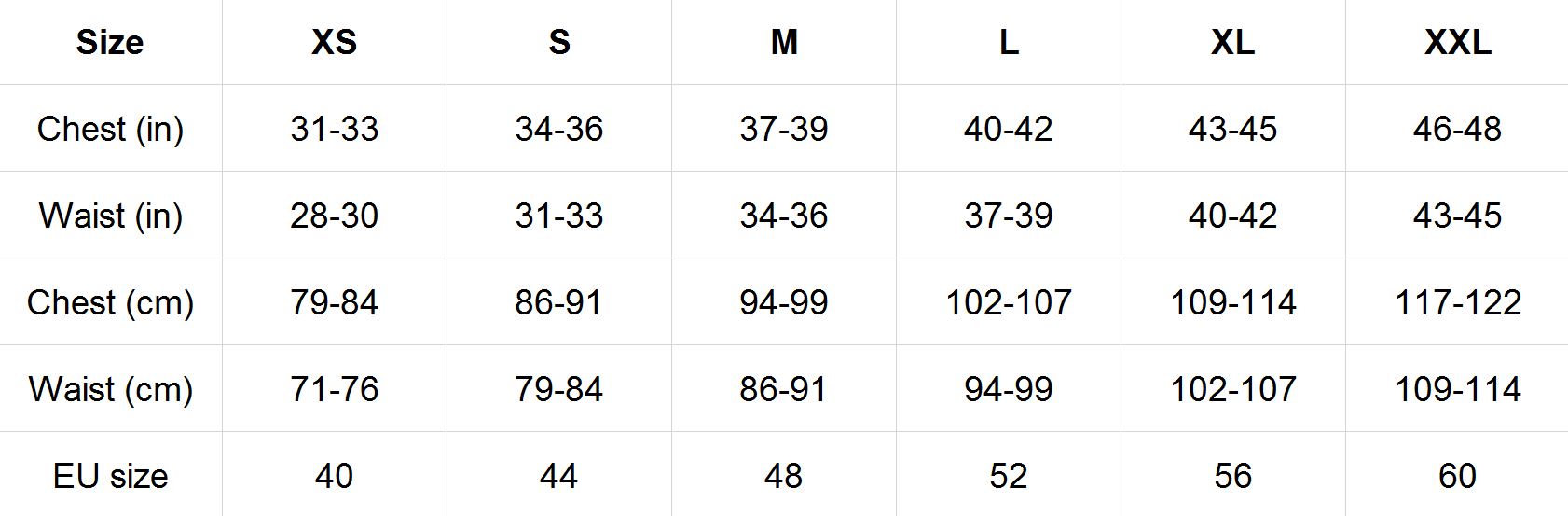
Start with extreme cold parkas, then compare men’s and women’s winter parkas. Use the size guide before ordering.
Related Technical Guides
- Parka Anatomy
- Winter Parka Hood & Collar Design
- Synthetic vs Down Insulation
- Baffle Construction Explained
More Technical Guides