Canadian Winter Guide: Vancouver vs. Prairies vs. Québec — How to Choose the Right Parka
Publié par WEB MEDIA le

Canadian Winter Guide: Vancouver vs. Prairies vs. Québec— How to Choose the Right Parka
A Canadian winter is not one climate.
The parka that makes sense for a wet Vancouver commute may be very different from the one you want during a Prairie cold snap or a long winter day in Québec.
Temperature matters, but it is only part of the equation.
Wind, moisture, activity, exposure time, coat length and insulation type can all change how warm a winter jacket actually feels.
So the goal is not simply to buy the warmest parka available.
It is to choose a parka for the winter you actually live in.
Three Canadian Winters, Three Different Challenges
Long-term Canadian climate data makes the differences clear.
At Vancouver International Airport, the January daily average is approximately 4°C.
At Winnipeg Richardson Airport, it is approximately –16°C.
At Montréal-Trudeau Airport, January averages approximately –9°C.
Those are averages, not predictions for any particular winter day. But they show why there cannot be one universal formula for a “Canadian winter coat.”
Vancouver tends to make moisture and versatility more important.
The Prairies place much greater emphasis on insulation, wind protection and coverage.
Québec often requires a balance of serious warmth, snow protection and adaptability.
Vancouver: Moisture, Wind and Versatility
Vancouver winters are comparatively mild, but mild does not mean simple.
Temperatures often move around the freezing point, while rain, damp air, wet snow and coastal wind become important parts of the equation.
For many people, winter also involves constant transitions between outdoors, transit, cars, shops and heated buildings.
That changes what you need from a parka.
Maximum insulation may not always be the priority. A coat that handles wind and moisture while remaining comfortable during everyday movement can make more sense than the heaviest extreme-cold design.
Why Synthetic Insulation Can Work Well
Synthetic insulation is particularly relevant in wetter environments because it generally retains more useful insulation when damp than untreated down and tends to dry more quickly.
The Arctic Bay Vancouver Parka uses PrimaLoft® Continuous Fibre synthetic insulation rather than natural down. It is fur-free and down-free, and Arctic Bay currently publishes temperature guidance to approximately –30°C.
It also uses the brand’s TrueNorth™ shell, described as water-, wind- and stain-resistant with a water-repellent finish.
Explore the Vancouver Parka:
https://arctic-bay.ca/products/vancouver-parka-1
That does not mean everyone in Vancouver needs a –30°C parka.
It means the construction combines synthetic insulation, weather resistance and urban functionality in a way that can suit people who value versatility.
What Should You Prioritize on the West Coast?
Think about your normal day rather than the lowest temperature you have ever seen.
If you walk regularly, use transit, move frequently between indoors and outdoors, and encounter rain more often than deep sub-zero cold, pay particular attention to shell protection, wind resistance, moisture management and freedom of movement.
A protective hood and well-fitting cuffs matter too.
And remember: water-resistant is not the same as waterproof.
A water-resistant winter parka can be appropriate for many urban winter conditions without being a fully waterproof rain shell.
The Prairies: Deep Cold Changes Everything
Move into the Prairies and the priorities shift quickly.
Winnipeg’s long-term January daily average is approximately –16°C, with an average daily minimum around –21°C.
Cold snaps can go considerably lower.
In those conditions, insulation becomes more important, but so do coverage and draft control.
A heavily insulated torso will not feel nearly as effective if cold air continually enters around the wrists, neck or front zipper.
That is why details such as storm cuffs, wind flaps, hood construction and longer coverage become increasingly valuable.
Why Down Is Strong in Severe Cold
High-quality down offers an excellent warmth-to-weight ratio.
Down clusters create loft and trap still air, allowing substantial insulation without requiring excessive garment weight.
Many current Arctic Bay severe-cold models use 725-fill Canadian duck down.
The Manitoba Parka, for example, uses 725-fill Canadian duck down, extended coverage and Arctic Bay temperature guidance down to approximately –45°C.
Explore the Manitoba Parka:
https://arctic-bay.ca/products/manitoba-parka
For people spending substantial time outdoors in severe cold, that combination of insulation and coverage can become much more relevant than it would be during a mild coastal commute.
Coverage Matters More as Exposure Increases
Five minutes outside is not the same as 45 minutes.
Someone driving from a heated garage to an underground parking space may need very different outerwear from someone waiting at an exposed transit stop.
Longer parkas protect more of the hips and upper legs and can become especially useful during prolonged or stationary exposure.
The Antarctica Parka represents Arctic Bay’s more extreme end of this spectrum, with 725-fill premium Canadian duck down, extended coverage and published guidance to approximately –45°C / –49°F.
Explore the Antarctica Parka:
https://arctic-bay.ca/products/antarctica
Again, these figures are product guidance, not universal guarantees of personal comfort.
Québec: Cold, Snow and Changing Conditions
Québec presents a different balance.
Montréal’s January daily average is approximately –9°C, significantly colder than Vancouver but not as cold on average as Winnipeg.
But averages hide the complexity of a Québec winter.
Cold, snow, wind, slush and freeze-thaw periods can all occur during the same season.
That means a useful Québec parka often needs substantial insulation without ignoring shell protection and flexibility.
A Balanced Cold-Weather System
The Montreal Parka illustrates this combination.
It uses 725-fill Canadian duck down, a breathable downproof liner, a TrueNorth™ shell, telescopic sleeves with storm cuffs, a wind flap and a YKK® two-way zipper.
Arctic Bay currently publishes temperature guidance to approximately –45°C / –49°F for the model.
Explore the Montreal Parka:
https://arctic-bay.ca/products/montreal-parka
The point is not that everyone living in Montréal needs this exact model.
It is that cold-weather performance comes from a combination of insulation, shell, coverage and draft protection—not from fill power alone.
The Kawartha Parka offers another severe-cold approach, combining 725-fill down with a TrueNorth™ shell and cold-weather construction designed for substantial winter exposure.
Explore the Kawartha Parka:
https://arctic-bay.ca/products/kawartha-parka
Your City Does Not Choose Your Parka
Climate is only the starting point.
Two people can live in Winnipeg and need very different winter coats.
One drives to work, parks indoors and spends only a few minutes outside.
The other walks to transit, waits at exposed stops and spends 30 or 40 minutes outdoors every morning.
Their weather app may show the same temperature.
Their clothing needs are not the same.
The same principle applies in Vancouver and Montréal.
Activity Changes How Warm You Feel
Movement generates heat.
Someone walking quickly may need considerably less insulation than someone standing still.
This gives us a useful practical principle:
The lower your activity and the longer your exposure, the more insulation and coverage matter.
During higher-output activity, moisture management becomes increasingly important.
A parka that feels perfectly comfortable while standing outside may feel too warm during a fast walk.
And overheating can create its own problem: perspiration makes moisture management more difficult once activity slows.
Layering Still Matters
A parka is only one part of a winter clothing system.
A moisture-managing base layer helps control perspiration. A mid layer adds adjustable insulation. The parka then provides the main outer barrier against cold and weather.
The balance changes by climate.
Vancouver may require lighter layers and greater adaptability.
Severe Prairie conditions may justify a warmer base and mid layer beneath substantial outer insulation.
Québec often benefits from flexibility as people move between cold outdoor environments, transit and heated interiors.
Fit matters here too.
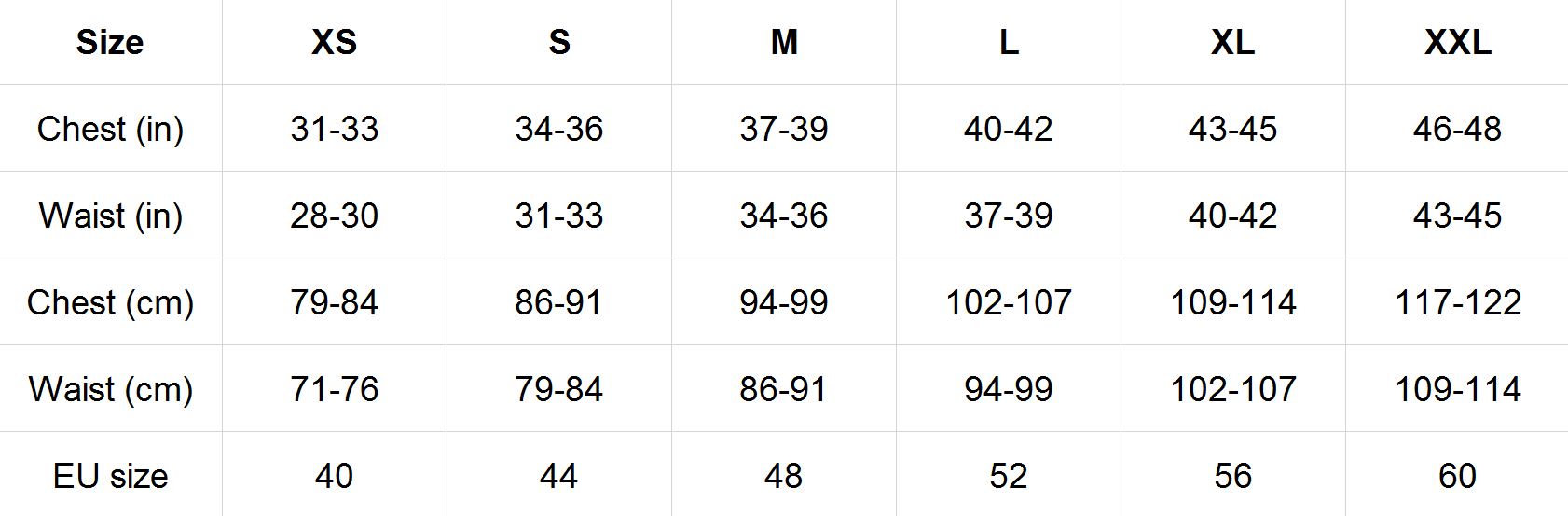
A coat should provide enough room for realistic winter layers without being unnecessarily oversized.
Do Not Shop by Temperature Rating Alone
Temperature guidance is useful, particularly when comparing models within the same brand.
But it should not be treated as a personal comfort guarantee.
Arctic Bay currently publishes guidance around –30°C for Vancouver and approximately –45°C for several severe-cold down models.
Your actual comfort will still depend on wind, activity, layering, exposure time, moisture and individual cold tolerance.
That is why “–45°C” should never be interpreted as “every person will be comfortable at –45°C.”
Use temperature guidance as one data point.
More Insulation Is Not Automatically Better
This is especially important for buyers who assume the highest temperature specification must be the best choice.
A severe-cold parka can be excellent when severe cold is what you actually face.
But too much insulation during mild weather or active use can lead to overheating and perspiration.
The right winter coat is therefore not necessarily the warmest one.
It is the one that keeps you appropriately protected without working against your activity and climate.
Down or Synthetic?
Both can be excellent.
Down offers exceptional warmth relative to its weight and works particularly well when protected from excessive moisture.
Synthetic insulation is attractive for damp conditions, active use and people who prefer a down-free garment.
Arctic Bay currently offers both approaches: PrimaLoft® synthetic insulation in the Vancouver and 725-fill Canadian duck down across several severe-cold models.
The choice should come from your conditions—not from the assumption that one insulation type is universally superior.
Five Questions Before You Choose
Before buying a winter parka, ask yourself five things.
How cold is my normal winter?
Think about typical conditions, not record lows.
How long am I actually outside?
A short walk from the car is different from an hour outdoors.
Am I moving or standing still?
Activity dramatically changes heat production.
How wet and windy is my climate?
Moisture and wind can change which features matter most.
How much coverage do I need?
Longer parkas become increasingly useful as cold and exposure increase.
Those five questions will usually tell you more than the city name printed on a product page.
Frequently Asked Questions
What Kind of Parka Works Best for Vancouver?
A versatile, weather-resistant parka often makes sense. Synthetic insulation can be particularly useful where moisture, frequent movement and comparatively moderate winter temperatures are common.
What Matters Most for a Prairie Winter?
Insulation, body coverage, wind protection, protective cuffs and a secure front closure become increasingly important during deep cold and prolonged exposure.
Is Down Good for Québec Winters?
Yes. High-quality down can work extremely well in cold Québec conditions when combined with an appropriate protective shell and good overall construction.
Do I Need a –45°C Parka Everywhere in Canada?
No.
Choose according to your actual climate, activity and exposure rather than automatically purchasing the highest temperature specification available.
Is a Longer Parka Always Warmer?
Longer coverage can reduce exposed body area, but total warmth still depends on insulation, construction, fit, wind and the conditions in which the coat is worn.
Dress for Your Winter
Canada does not have one winter.
Vancouver places more emphasis on moisture, wind and everyday versatility.
The Prairies make insulation, coverage and draft protection far more important.
Québec often requires a strong balance between insulation and changing winter conditions.
But even those regional differences are only the beginning.
Your activity, exposure time and personal comfort matter just as much.
So instead of asking:
“What is the warmest parka?”
Ask:
“What parka is built for the conditions I will actually face?”
That is a much better way to choose winter outerwear.
Explore Arctic Bay’s Canadian-made winter parkas:
https://arctic-bay.ca/