From Heavy Fur Coats to Modern Down Parkas: How Winter Fashion Has Changed in 30 Years
Сообщение от ARCTIC BAY

Discover Arctic Bay — Canadian-Made Down Parkas Designed for Winter, Comfort, and Timeless Style.
Winter fashion has changed dramatically over the past three decades. What once meant heavy fur coats, substantial sheepskin jackets, and bulky winter boots has evolved into a more practical approach to dressing for cold weather. Today, people increasingly look for warmth without unnecessary weight, comfortable movement, versatile styling, and outerwear that fits naturally into everyday life.
For people living in Canada, winter is more than a season. It shapes how we commute, travel, work, and spend time outdoors. From freezing morning starts to snowy city streets and rapid shifts between outdoor cold and heated interiors, the right winter coat needs to work across many different situations.
This is where Arctic Bay fits into the modern winter wardrobe: a Canadian outerwear brand offering parkas identified as Made in Canada, combining down insulation, practical cold-weather construction, and contemporary styling.
1. How Winter Outerwear Has Evolved
Thirty years ago, a substantial fur coat or sheepskin jacket was often considered both a long-term investment and a symbol of status. Heavy materials, traditional silhouettes, and substantial construction defined much of the winter wardrobe.
Today, daily life is different. People move constantly between outdoor temperatures, cars, public transportation, offices, stores, restaurants, and heated homes. A coat that feels appropriate outdoors may quickly become cumbersome once the wearer moves indoors.
Modern winter dressing therefore places more emphasis on a balance of insulation, weight, mobility, coverage, and versatility.
Down parkas have become an important part of this evolution because they can provide substantial insulation without relying on the same mass or stiffness associated with some traditional heavy outerwear.
2. Why Modern Parkas Fit Today’s Lifestyle
The best winter coat is not necessarily the heaviest one. What matters is how effectively the complete garment manages warmth, comfort, movement, and weather exposure.
A thoughtfully designed modern parka can offer several practical advantages:
- Warmth without unnecessary bulk. Down is valued for its ability to trap insulating air relative to its weight.
- Better mobility. A well-proportioned coat can make walking, commuting, driving, and everyday errands more comfortable.
- Versatility. A refined parka can work with casual clothing, business-casual outfits, knitwear, denim, boots, and everyday winter essentials.
- Practical coverage. Length, hood design, collars, cuffs, closures, and storm-protection details all contribute to how a coat performs in real winter conditions.
- Longer-term relevance. A clean, functional silhouette can remain useful well beyond a single fashion season.
Actual warmth depends on more than appearance. Insulation type and quantity, fit, construction, wind protection, shell materials, and weather conditions all matter.
3. What “Made in Canada” Means at Arctic Bay
Arctic Bay winter outerwear identified as Made in Canada is fully assembled in Canada. Selected fabrics, trims, zippers, insulation, and other components may be imported, so product-specific details should always be checked on the individual product page.
Canadian assembly involves multiple specialized stages, including pattern development, cutting, insulation preparation, quilting, sewing, inspection, and final handling.
For a closer look at that process, visit Arctic Bay Manufacturing.
Customers who specifically want Canadian-assembled outerwear can also explore the Made in Canada Winter Outerwear collection.
4. From Heavy Materials to Efficient Insulation
One of the biggest changes in winter outerwear has been the shift from judging warmth primarily by weight and thickness to understanding how insulation actually works.
Down clusters trap air, helping retain body heat while remaining comparatively lightweight. Many current Arctic Bay Made in Canada parkas use 725-fill Canadian duck down, although exact insulation and construction details vary by model.
Fill power is useful, but it is only one part of the picture. Total insulation, chamber construction, shell protection, garment length, fit, and exposure to wind or moisture all influence real-world comfort.
For a deeper explanation of down, fill power, layering, and thermal performance, read The Science of Staying Warm: Discover the Difference with Arctic Bay Down Parkas, Made in Canada.
5. Fit Has Become Part of Performance
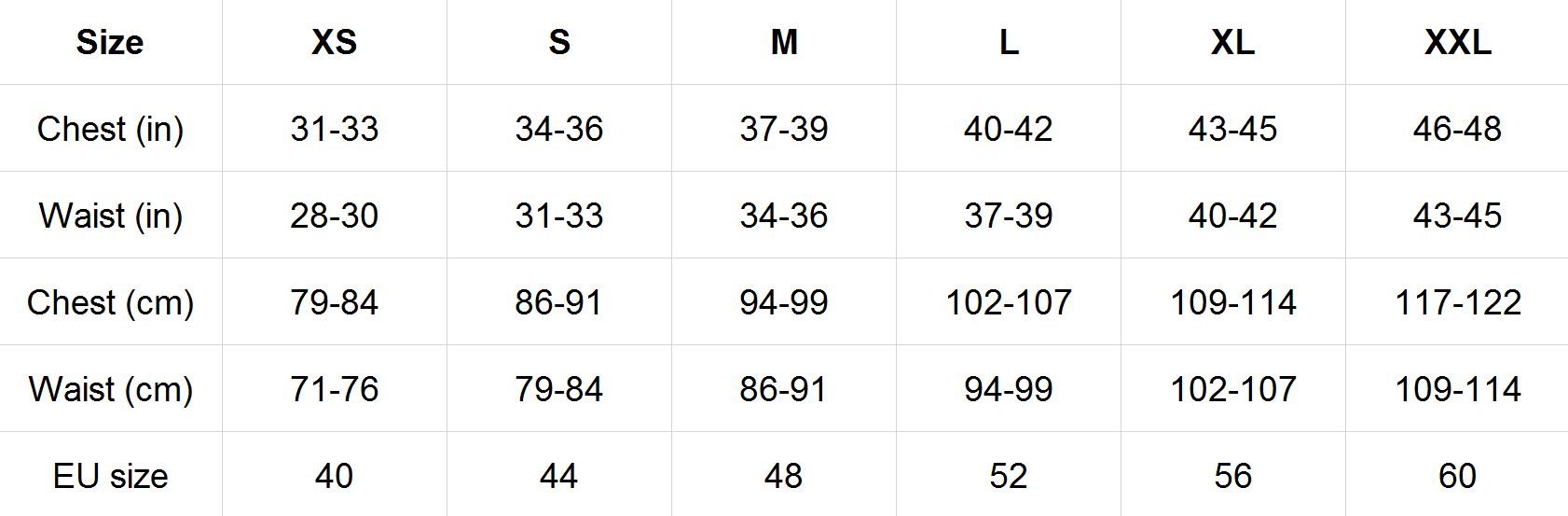
Modern winter consumers expect more from fit than simply “large enough to wear a sweater underneath.” A parka needs to allow room for useful layering while still sitting close enough to help limit unwanted cold-air circulation.
Length also matters. A shorter bomber can suit drivers and active urban use, while a mid-thigh or longer parka provides additional coverage for colder conditions or longer periods outdoors.
Before choosing a model, review the Arctic Bay Size Guide and consider what you normally wear underneath your coat.
The goal is not to add the maximum number of layers. It is to create a practical system in which the base layers, insulation, and outer garment work together.
6. Winter Fashion Is More Versatile Than It Used to Be
Winter outerwear was once more rigidly divided between practical cold-weather clothing and formal or luxury coats. Modern parkas increasingly cross those boundaries.
A clean parka can work with jeans and winter boots on the weekend, tailored trousers during the workweek, or knitwear and everyday accessories for city wear.
This versatility is one reason the modern down parka has become such a central piece of the winter wardrobe: the same garment can provide practical cold-weather protection while still fitting naturally into everyday style.
7. Traditional Fur and Sheepskin Still Have a Place
The evolution of winter fashion does not mean traditional fur coats and sheepskin jackets have become irrelevant. They continue to offer distinctive texture, visual character, and their own approach to warmth.
The difference is that modern shoppers now have more options and can choose based on lifestyle rather than assuming that the heaviest garment is automatically the best winter choice.
For someone who spends much of the day moving between outdoor and indoor environments, a down parka may offer a more practical combination of insulation, weight, mobility, and coverage.
For someone who prioritizes traditional materials or a particular aesthetic, other types of winter outerwear may remain appealing.
The useful comparison is not simply “old versus new.” It is how well each garment fits the wearer’s actual climate, routine, comfort preferences, and style.
8. Choosing a Parka for Real Canadian Winter
Canadian winter conditions vary considerably from one region to another. Some areas experience prolonged dry cold, while others deal with wind, wet snow, freeze-thaw cycles, or rapidly changing temperatures.
Before choosing a winter parka, consider:
- the typical temperatures where you live;
- how long you usually remain outdoors;
- whether you commute by car, public transit, or on foot;
- how much room you need for layering;
- the coat length and coverage you prefer;
- the specific model’s insulation and shell construction;
- the level of wind, snow, and moisture protection appropriate for your routine.
No single model is ideal for every person or every climate. Comparing the complete garment is more useful than relying on one specification alone.
9. Arctic Bay and the Modern Canadian Winter Wardrobe
Arctic Bay’s current collection reflects the broader evolution of winter fashion: outerwear designed to combine substantial cold-weather insulation with contemporary silhouettes and practical everyday construction.
Current Made in Canada models span different lengths and fits, from compact bombers to mid-thigh and extended parkas. Many use 725-fill Canadian duck down, while exact shells, trims, features, and temperature ratings vary by product.
Explore the current Arctic Bay winter collection to compare models, lengths, colours, and specifications.
10. Find Your Winter Essential
Winter fashion has moved beyond the idea that staying warm must mean wearing the heaviest coat available.
Today’s winter wardrobe is about balancing insulation, comfort, mobility, coverage, and personal style. A well-chosen parka can become one of the most dependable pieces you own during the coldest months of the year.
Discover Arctic Bay Down Parkas — Made in Canada. Choose Your Winter Essential.
Explore Arctic Bay outerwear and choose the model that best matches your climate, routine, fit preferences, and winter style.
Frequently Asked Questions
Why have down parkas become so popular?
Down parkas can provide substantial insulation with less weight than many traditional heavy winter garments. Their combination of warmth, mobility, coverage, and everyday styling makes them well suited to modern winter routines.
Are heavier winter coats always warmer?
No. Garment weight alone does not determine warmth. Insulation efficiency, total insulation, fit, construction, wind protection, shell materials, and weather conditions all affect how warm a coat feels.
What does Made in Canada mean for Arctic Bay parkas?
Arctic Bay outerwear identified as Made in Canada is fully assembled in Canada. Some fabrics, trims, zippers, insulation, and other components may be imported, so exact product details should be checked on the individual product page.
Does Arctic Bay use Canadian duck down?
Many current Arctic Bay Made in Canada parkas use 725-fill Canadian duck down. Exact insulation specifications vary by model and are listed on the relevant product page.
How should I choose between a short and long parka?
A shorter parka can offer greater mobility and may suit driving or urban use, while longer parkas provide additional body coverage. The best choice depends on your climate, daily routine, and personal preference.
How should a winter parka fit?
A parka should allow comfortable movement and enough space for appropriate layers without excessively compressing the insulation or leaving so much room that cold air circulates freely.